



The Spaces Between the Work
Why the moments that connect us matter—and how thoughtful spaces can help make them happen.

Think about some of the most valuable moments in your workday.
Was it a scheduled meeting? A task you checked off your list? Or was it something less planned—a quick conversation that helped solve a problem, an unexpected exchange of ideas, or a casual interaction that strengthened a relationship?
Some of the most meaningful moments at work happen between meetings, deadlines, and daily responsibilities. They may never appear on a calendar, but they can shape how we learn, collaborate, and connect.
The Value of Being Together
Technology has transformed the way we work, making it possible to communicate and collaborate across offices, cities, and time zones. Video meetings, messaging platforms, and shared digital tools have helped bridge physical distances that once made working together difficult.
But while technology makes connection possible, physical distance can still be a barrier.
When colleagues work alongside one another, conversations can happen naturally. A quick question across a desk, an overheard discussion, or an unexpected encounter in the breakroom can lead to an exchange of ideas, an opportunity to learn, or simply a stronger relationship.
When people work apart, those same interactions often require someone to make a conscious effort to reach out. And sometimes, that means the conversation never happens.
There's also something called informal learning—the knowledge we pick up simply by being around others. Hearing how a colleague handles a challenging situation, discovering a better way to do something, or learning about a project outside our immediate responsibilities.
These moments aren't scheduled or assigned, and they're difficult to measure. When we evaluate productivity, we tend to focus on the tasks we've completed, but that doesn't always capture the value of what we learn from others or contribute to those around us.


Creating Opportunities for Connection
Bringing people together is only part of the equation. What happens when they're together matters just as much.
Some interactions happen naturally. Others benefit from a little intention.
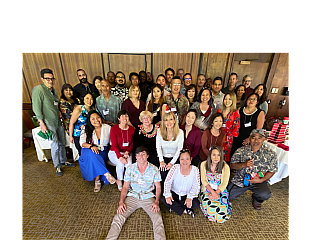
Shared lunches, team celebrations, and informal gatherings give colleagues opportunities to connect outside their usual responsibilities. These experiences don't need to be elaborate or even work-related. Sometimes, simply creating a reason for people to come together is enough to start a conversation.
And while these moments may seem small, they can help build the familiarity and relationships that make everyday collaboration more comfortable.
Designing Spaces That Bring People Together
The physical workplace can help support these interactions, but it takes more than providing desks and conference rooms.
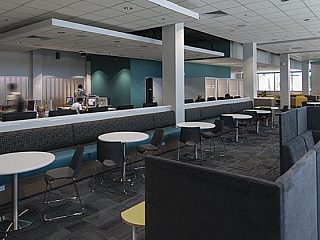
Where can two colleagues sit down for an unexpected discussion? Is there a welcoming place for a small group to gather? Are there spaces that encourage people from different departments to cross paths?
Research from Gensler's Global Workplace Survey 2025 identified seven types of in-person interactions, ranging from informal conversations to scheduled meetings and collaborative workshops. When asked which settings would be most ideal for these activities, respondents ranked flexible co-creation spaces among their top three choices for six of the seven interaction types, and soft seating areas for five. Traditional conference rooms remained the top choice for scheduled team meetings.
The takeaway? Different interactions benefit from different environments.
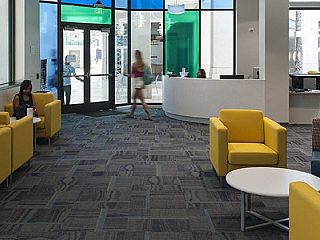
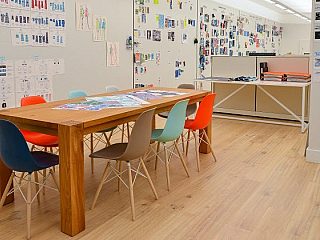
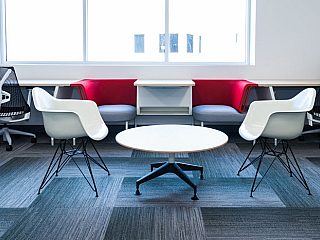
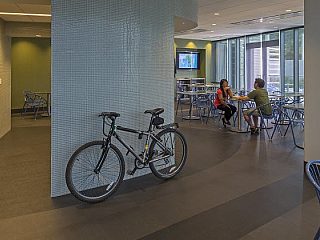
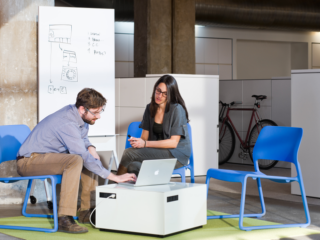
A comfortable seating area may encourage an informal conversation. A shared table can support a quick exchange of ideas. A flexible gathering space can accommodate everything from spontaneous brainstorming to a team celebration.
And creating these opportunities doesn't always require more space. Sometimes, it starts with reimagining the spaces we already have.
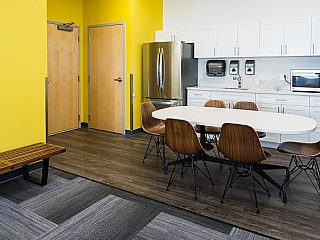
Could an underutilized conference room be adapted to support different types of meetings and gatherings? Could a breakroom offer more than a place to eat lunch? Could a shared area accommodate both informal conversations and collaborative work?
Before making changes, it helps to observe how people actually use their workplace. Where do colleagues naturally gather? Which spaces sit empty much of the day? Are there activities that don't have an appropriate place to happen?
With thoughtful planning, flexible furnishings, and a little creativity, existing spaces can serve multiple purposes—supporting not only the work people do, but also the connections they build along the way.

Making Time Together Meaningful
Every organization has its own culture, people, and ways of working. There's no single formula for creating a connected workplace.
But as we rethink the role of the physical workplace, perhaps the question shouldn't simply be how to bring people together.
It should be how to make the time we spend together more meaningful.
Take a moment to look around your own workplace. Where do people naturally connect? Are there spaces that encourage collaboration and casual interaction? Are there opportunities to bring people together beyond their everyday responsibilities?
And perhaps most importantly, are we making the most of the spaces and opportunities we already have?
Because sometimes, the most valuable moments happen in the spaces between the work.